Concrete Slab & Foundation Work
Strong, stable foundations built to code and engineered for long-term performance in Hemet, CA.
The Most Important Part of Any Building
Your foundation carries the weight of everything above it. A poorly built foundation leads to cracked walls, uneven floors, sticking doors, and costly structural repairs down the road. Getting it right the first time saves you thousands of dollars and years of frustration. Every building project, whether a new home, a room addition, or a commercial structure, depends on a solid foundation.
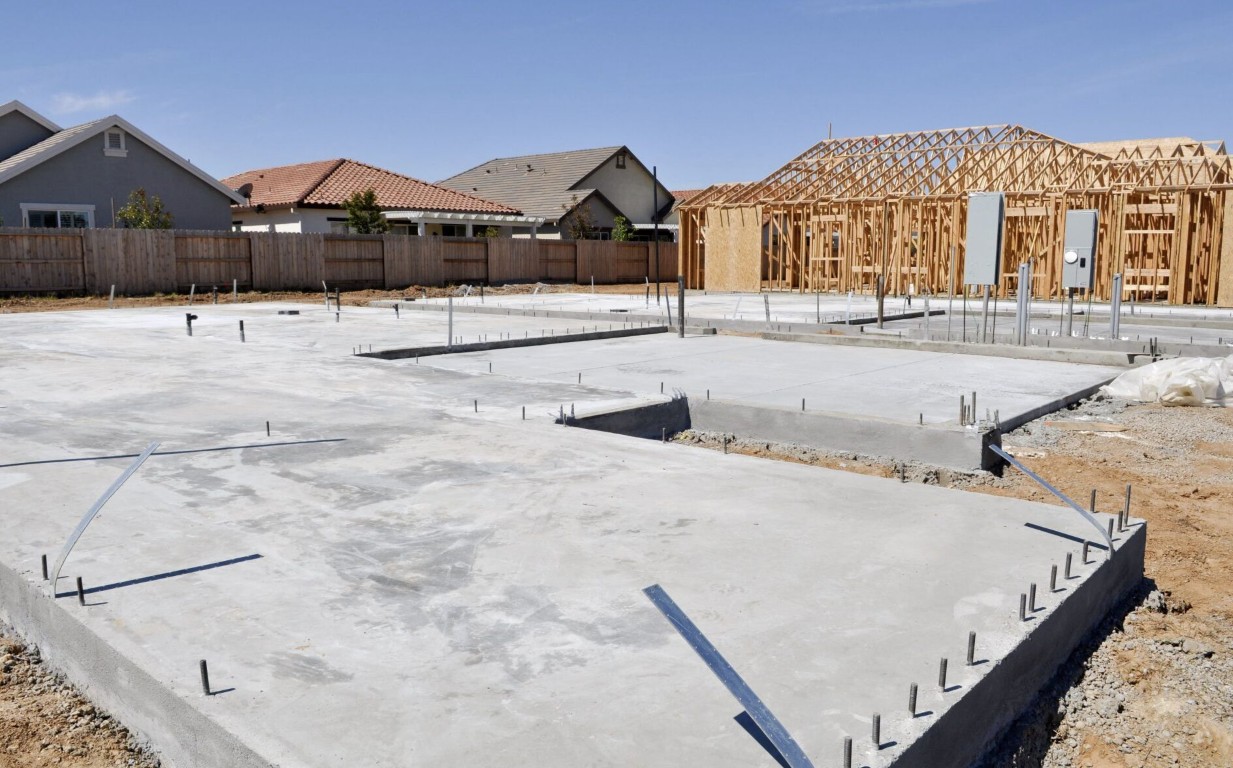
We pour residential and commercial foundations throughout Hemet and the surrounding Inland Empire. Our experience covers slab-on-grade foundations, stem wall foundations, continuous footings, and pier foundations. We work with your architect, engineer, and general contractor to deliver foundation work that meets all specifications and building codes. From small garage slabs to large commercial building pads, we have the equipment and expertise to handle foundation projects of any scale.
Foundation Services We Provide
- •Slab-On-Grade Foundations: The most common type for Southern California homes, poured directly on prepared and compacted soil
- •Stem Wall Foundations: Raised perimeter walls with a poured slab, often used where elevation is needed or for crawl space access
- •Concrete Footings: Load-bearing footings for walls, columns, posts, and other structural supports
- •Room Addition Foundations: Foundations for home additions that tie into existing structures properly
- •Garage and Shop Slabs: Reinforced slabs designed for vehicle loads and heavy equipment
- •Commercial Building Pads: Large-scale foundations for retail, office, and industrial buildings
Our Foundation Installation Process
Foundation work demands precision at every step. Cutting corners on preparation, materials, or technique leads to problems that are expensive and difficult to fix after the building is up. We follow a proven process that produces reliable, code-compliant foundations every time.
Step 1: Site Evaluation and Preparation
We start by reviewing your plans and engineering specifications. Before any concrete is poured, the site must be properly prepared. This includes clearing and grading the area, excavating to the required depth, and compacting the soil to prevent future settling. We verify that soil conditions match the engineering report and address any issues before moving forward. Proper site preparation is the single most important factor in foundation longevity.
Step 2: Base Material and Vapor Barriers
We install a compacted gravel base that provides uniform support and allows moisture drainage. The base thickness depends on soil conditions and engineering requirements. A polyethylene vapor barrier is placed over the gravel to prevent ground moisture from migrating through the slab. This is critical in Hemet where soil conditions can retain significant moisture. Without a proper vapor barrier, moisture problems can damage flooring, promote mold, and compromise indoor air quality.
Step 3: Forming and Reinforcement
We build forms to the exact dimensions and elevations specified in your plans. Reinforcement is installed per engineering specifications, typically rebar on chairs at the correct spacing and height within the slab. Thickened edges, grade beams, and post tension cables are installed where required. We also coordinate placement of plumbing, electrical conduit, and any other embedded items before the pour. Everything is checked and double-checked before we call for inspection.
Step 4: Concrete Placement, Finishing, and Curing
We use the concrete mix specified by your engineer, ensuring the right strength, slump, and aggregate size for your project. The concrete is placed, consolidated with vibrators to eliminate air pockets, and screeded level. We finish the surface to the required specification and cut control joints at proper intervals. After placement, we protect the concrete during the curing period to ensure it reaches full design strength. We coordinate all required inspections with your local building department to keep the project on schedule.
What Makes a Foundation Last
The difference between a foundation that lasts a lifetime and one that develops problems comes down to a few critical factors. Understanding these helps you make informed decisions about your project.
Soil preparation is everything. Even the best concrete will crack and settle if placed on poorly prepared soil. Hemet and the surrounding San Jacinto Valley have varying soil conditions, from sandy loam to expansive clay. Expansive soils swell when wet and shrink when dry, creating movement that stresses foundations. Proper soil testing, compaction, and engineering address these conditions before they become problems.
Reinforcement prevents failure. Steel rebar gives concrete tensile strength it lacks on its own. Proper rebar placement, spacing, and coverage are non-negotiable. We follow engineering specifications exactly because moving rebar even an inch in the wrong direction can weaken the foundation. Post-tension systems, where specified, provide active compression that keeps slabs tight and crack-free.
Concrete quality matters. We use the mix design specified for your project, never substituting with a cheaper or weaker mix. Water content is carefully controlled because adding extra water at the job site weakens concrete significantly. The right mix, properly placed and cured, achieves design strength and provides decades of trouble-free performance. We apply the same attention to detail whether building a foundation or a concrete driveway.
Drainage protects your investment. Water is the biggest enemy of foundations. We ensure proper grading around your foundation so water flows away from the structure. French drains, swales, and other drainage solutions are recommended when site conditions require them. Keeping water away from your foundation prevents soil erosion, hydrostatic pressure, and the damaging wet-dry cycles that stress concrete and soil alike.
Foundation Types for Southern California
Southern California building conditions favor specific foundation types. Warm temperatures, minimal freeze-thaw cycles, and local soil conditions all influence what works best for your project. Here is what you need to know about the most common options.
Slab-On-Grade
The most popular foundation type in our area. A slab-on-grade foundation is a single concrete slab poured directly on prepared soil. The perimeter edges are thickened to 12 to 18 inches to support load-bearing walls. Interior areas are typically 4 to 6 inches thick. This foundation type works well in Hemet because we have minimal frost concerns. It is also the most cost-effective option for most residential and many commercial projects.
Raised or Stem Wall Foundations
Stem wall foundations use concrete walls to raise the structure above grade, creating a crawl space beneath. This design works well on sloped lots, in flood-prone areas, or where access to plumbing and utilities beneath the floor is desired. Stem walls add cost but provide benefits that slab foundations cannot. We build stem walls to the height and thickness specified by your engineer, with proper waterproofing and ventilation.
Post-Tension Slab Foundations
Post-tension foundations use steel cables inside the slab that are tensioned after the concrete cures. This active compression keeps the slab tight and resists cracking, even on challenging soils. Post-tension slabs are increasingly common in Southern California, especially in areas with expansive clay soils. They cost more upfront but can prevent expensive foundation repairs down the road. We have extensive experience with post-tension systems and work with qualified engineers to ensure proper design and installation.
Frequently Asked Questions
Ready to Start Your Foundation Project?
Contact Hemet Quality Concrete for a free consultation. We will evaluate your site, review your plans, and provide a detailed estimate for your foundation work.
(951) 484-2581