
Sidewalks, Walkways & Flatwork
Professional concrete sidewalk and walkway installation for safe, attractive pathways throughout your property.
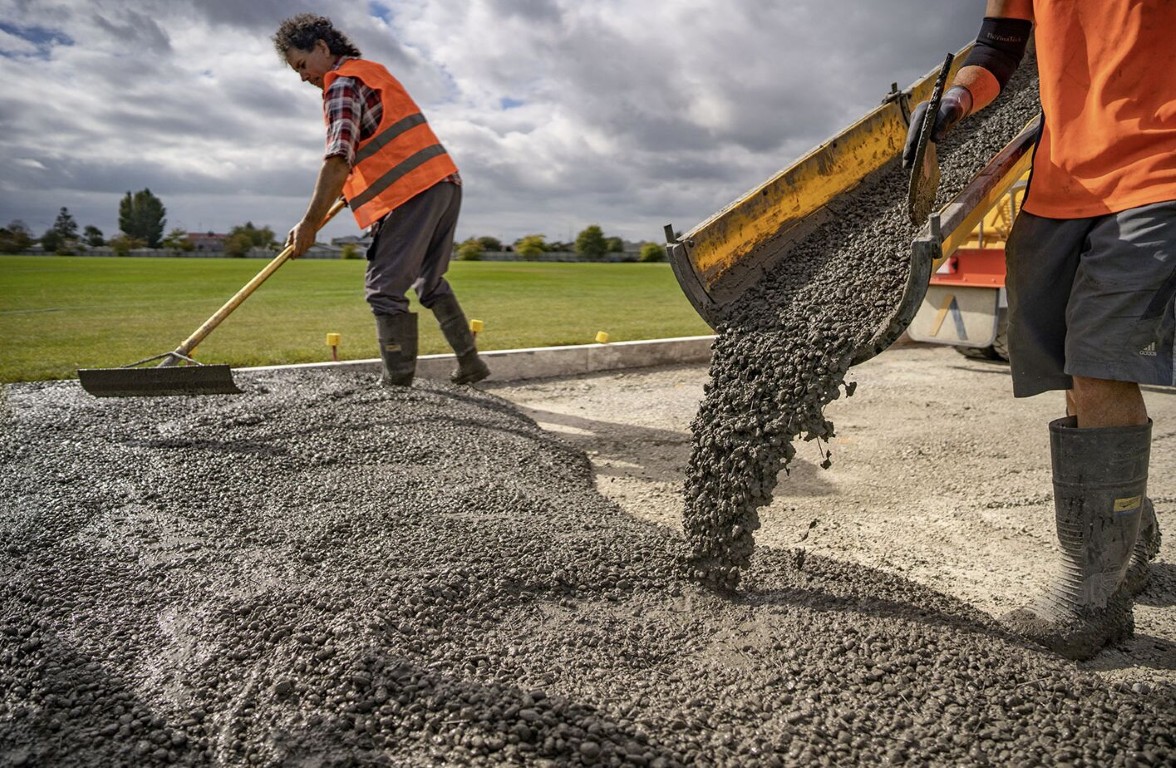
Create Safe and Functional Pathways
Sidewalks and walkways guide people safely around your property while enhancing curb appeal. Whether you need a front walkway from the street to your door, side paths for yard access, or complete sidewalk replacement, concrete provides a durable solution that lasts for decades with minimal maintenance.
We install concrete walkways and flatwork in Hemet for residential and commercial properties. Our work includes city sidewalks, private walkways, garden paths, ADA-compliant ramps, and any flat concrete surface that connects one area to another. Every project gets the same attention to proper slope, drainage, and finishing that ensures long-lasting performance.
Types of Concrete Flatwork We Install
- •Public Sidewalks: City-compliant sidewalks along streets with proper dimensions and ADA requirements
- •Front Walkways: Paths from sidewalk or driveway to your front door
- •Garden Paths: Decorative walkways through landscaping and between garden beds
- •Service Walks: Utility paths to gates, sheds, air conditioners, or other access points
- •Wheelchair Ramps: ADA-compliant ramps with proper slope and handrail anchors
Each type of walkway has different requirements for width, thickness, and finishing. Public sidewalks must meet city specifications. Wheelchair ramps need precise slopes. Garden paths can be narrower and more decorative. We understand these differences and build each project to suit its specific purpose and location.
Design and Layout Considerations
Good walkway design balances function with aesthetics. The path should be wide enough for comfortable use, follow natural traffic patterns, and complement your property's style. We help you plan walkways that work well and look great.
Width and Path Design
Standard walkways run 3 to 4 feet wide, allowing two people to walk side by side comfortably. Front walks leading to your entry often go wider at 4 to 5 feet to create a welcoming approach. Narrow side paths can be 2 to 3 feet for single-file foot traffic. Public sidewalks typically measure 4 to 5 feet wide per city requirements.
Curved walkways look more natural and interesting than straight lines, especially in landscaping. However, curves cost more to form and pour. We can create gentle curves, sharp turns, or perfectly straight paths depending on your preference and budget. The route should make sense, taking people where they naturally want to go rather than forcing awkward paths.
Drainage and Slope
Walkways need slight slopes to shed water. We typically slope them 1 to 2 percent away from buildings or toward drainage areas. Standing water on walkways creates slip hazards and accelerates concrete deterioration. The slope is subtle enough that you do not notice it when walking but effective enough to move water off the surface.
ADA ramps have specific slope requirements, generally no steeper than 1:12 (one inch of rise per twelve inches of length). Steeper slopes require handrails and may not meet code. We calculate and build ramps to exact specifications so they pass inspection and work safely.
Decorative Options
Plain concrete works fine for utility paths, but front walkways benefit from decorative treatments. Stamped patterns, colored concrete, exposed aggregate, or decorative borders add visual interest without compromising durability. We offer the same decorative concrete options for walkways as we do for patios and driveways. The right finish coordinates with your home's style and landscaping while standing up to foot traffic and weather.
Installation Process
Installing walkways and flatwork requires precision to ensure proper grades, smooth surfaces, and clean edges. We follow a systematic process that produces professional results built to last.
Planning and Layout
We start by marking the walkway route and checking for underground utilities, sprinklers, and drainage lines. Nothing ruins a project faster than hitting a water line or electrical conduit. We call for utility locates and carefully hand-dig near known lines. The layout gets staked and marked so you can visualize the final path before we start digging.
Excavation and Base Preparation
We excavate to the proper depth, typically 6 to 8 inches total for the base and concrete. The bottom gets graded and compacted to create a stable surface. A layer of crushed base rock provides drainage and prevents settling. This base layer is critical for long-term performance, especially in areas with expansive soil.
Forms get installed along the edges to contain the concrete and create clean, straight lines or smooth curves. We set forms to the correct height and slope using levels and string lines. Accuracy here determines the final appearance and function of your walkway.
Pouring and Finishing
Concrete for walkways is typically 4 inches thick, slightly thinner than driveways since they carry only foot traffic. We pour, spread, and level the concrete, checking slopes constantly. Finishing creates the surface texture, from smooth trowel to broom finish or decorative treatments.
Control joints get cut or formed at regular intervals to control where minor cracks develop. Edges are rounded slightly for safety and appearance. We protect the fresh concrete while it cures, which takes several days before you can walk on it normally. Rushing this process leads to surface damage.
Final Details
After the concrete cures, we remove forms and backfill edges. Landscaping along the walkway gets restored or improved. We clean up thoroughly and haul away all debris. You are left with a finished walkway ready for years of use. Sealing decorative finishes provides extra protection and easier maintenance.
Frequently Asked Questions
Ready for New Walkways?
Contact Hemet Quality Concrete to discuss your walkway project. We will help you design functional, attractive pathways.
(951) 484-2581