Loading...
Serving Hemet, CA and surrounding areas. (951) 484-2581
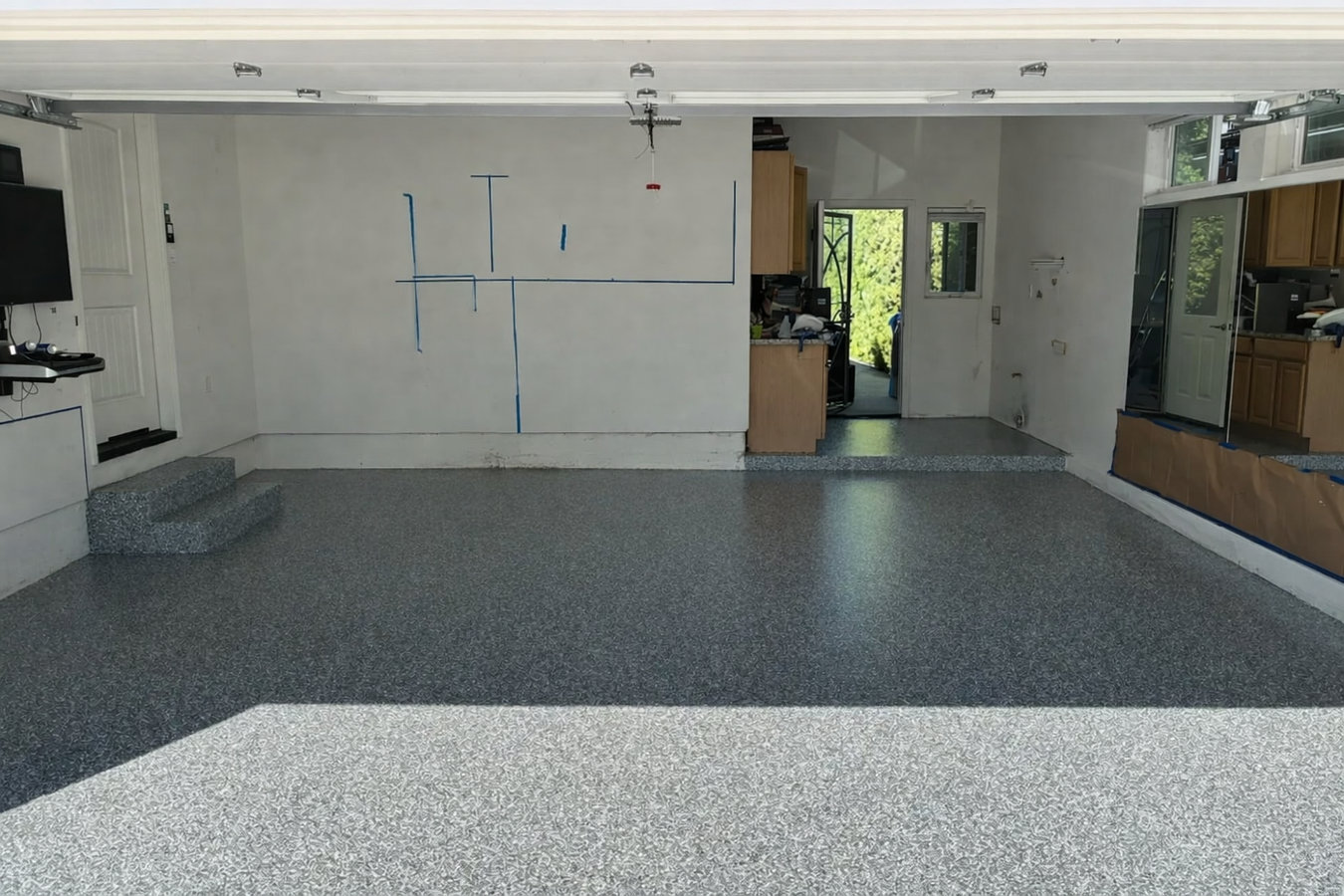
A cracked, uneven, or missing concrete floor makes every project harder. We install concrete floors in Hemet built for the local heat, the local soil, and the job you actually have in mind.
Concrete floor installation in Hemet starts with preparing the ground - removing old material, grading and compacting the soil, and laying a gravel base - then pouring, finishing, and curing the slab. Most residential floors take one day to pour and finish on-site, with the concrete needing at least 24 to 48 hours before anyone walks on it and about 28 days to reach full strength.
Most homeowners call when they are replacing a cracked garage slab, adding a room to the house, or finally tackling an outdoor patio that has been on the list for years. In Hemet, the timeline and approach for all of these projects is shaped by the local clay soils and summer heat - both of which affect how the concrete is prepped, poured, and cured.
If you are installing a floor for a garage and want to upgrade the surface while you are at it, take a look at our garage floor concrete service, which covers coatings and finishes suited for vehicle traffic and shop use.
Small hairline cracks in concrete are common and often harmless, but cracks that are widening, have one side higher than the other, or are getting longer over time mean the slab is moving. In Hemet, this kind of movement is often tied to the area's expansive soils, which shift with the wet and dry seasons. A floor that is actively moving will not improve on its own - it typically needs replacing rather than patching.
A properly installed concrete floor is level or pitched slightly to drain water away. If puddles form in the same spots after rain or hosing down your garage, the slab has settled unevenly. In Hemet's climate, standing water on concrete also accelerates surface deterioration because the intense sun repeatedly bakes moisture into the surface, weakening it over time.
If you sweep your garage and always end up with a fine gray powder, or if the surface is visibly flaking in patches, the top layer of the concrete has broken down. This is called spalling, and it is a sign the original slab either was not cured properly or has reached the end of its useful life. At this stage, patching rarely holds - a full replacement gives you a clean, durable surface.
If you are adding a room, a workshop, a covered patio, or any structure that needs a solid floor, you will need a new concrete slab poured from scratch. In Hemet, this also means getting a permit before work begins - so the sooner you start the process, the sooner you can get your project underway.
The most common request is a standard broom-finish or smooth-trowel slab - practical, clean, and ready for whatever you plan to do with the space. For garages, we pour at five to six inches thick to handle vehicle weight without cracking. For patios and outdoor living areas, we can add a stamped or stained finish that improves the look without sacrificing durability. All of our slabs include reinforcement - either welded wire mesh or rebar - and control joints cut at regular intervals to give the concrete a planned place to flex.
Homeowners converting garages into living spaces or building workshops sometimes need a floor that is both structurally sound and visually finished. We can incorporate a smooth, polished surface or a decorative coating as part of the same project. If your new floor will be adjacent to an existing pool or spa area, our concrete pool decks service can extend the same slab work seamlessly to the surrounding area.
Best for garages, patios, and additions where a clean, durable, code-compliant floor is the priority.
Suits homeowners who want a polished or patterned look for indoor conversions, patios, or workshop floors.
Designed for garages, workshops, and RV pads that need five-to-six-inch thickness to handle vehicle weight without cracking.
Hemet sits in the San Jacinto Valley at about 1,600 feet elevation, where summer temperatures regularly top 100 degrees. Pouring concrete in that kind of heat is risky - the surface dries too fast before the interior has time to cure, which weakens the slab and leads to cracking within the first year. Experienced local contractors schedule pours for early morning during summer months, use curing compounds to slow the drying process, and sometimes recommend waiting for cooler weather if your timeline allows. Homeowners in Moreno Valley and Perris face the same heat challenges, and we work in both areas regularly.
The other factor that sets Hemet apart is the soil. Much of the Inland Empire sits on expansive soils that swell when wet and shrink when dry - a cycle that repeats every season and puts stress on any slab from below. A contractor who knows this area will compact the subgrade properly, add a gravel base layer, and size the slab for the conditions - not just for minimum code. Hemet also has a significant number of homes built in the 1970s and 1980s where original slabs are reaching the end of their useful life, so replacement projects are common across all parts of the city.
We respond within 1 business day. We visit your property, measure the area, look at the ground conditions, and give you a written quote that breaks down every cost - including demo, haul-away, and permit fees. No surprises after you sign.
For most concrete floor projects in Hemet, we submit a permit application to the City of Hemet Building Division before any work begins. This typically takes one to two weeks to process - we handle the paperwork and keep you updated.
Once the permit is approved, the crew removes any old slab, grades and compacts the soil, and lays the gravel base. This prep work is what separates a slab that lasts 30 years from one that starts cracking in five.
On pour day, the crew places, spreads, and finishes the concrete - including cutting control joints. After the pour, we apply a curing compound or cover the slab to protect it during the critical first days. Light foot traffic is safe after 24 to 48 hours.
We respond within 1 business day - no obligation, no pressure. The estimate breaks out every cost so you can compare bids fairly and make a confident decision.
(951) 484-2581We do not just pour whenever is convenient. In Hemet's summer heat, we schedule pours for early morning and use curing methods that give your slab the best chance of reaching full strength - not the quick-dry result that looks fine until the following summer.
Every floor project we take on in Hemet includes the City of Hemet Building Division permit as a standard step. The city inspection that follows confirms the base and reinforcement were done correctly - which protects you if you ever sell your home.
The expansive soils common across the San Jacinto Valley require a thicker, better-compacted base than a minimum-spec slab would get. We account for this on every job - because a floor that shifts in the first few years costs more to fix than it would have cost to build right the first time.
We work across Hemet and 11 surrounding cities in Riverside County, which means we understand the soil variation, permit requirements, and summer heat conditions that shape concrete work in this region. Learn more about responsible hiring at the <a href='https://www.concrete.org' target='_blank' rel='noopener noreferrer' className='text-primary underline underline-offset-4'>American Concrete Institute</a>.
A concrete floor is one of the most permanent things on your property - it is worth doing correctly the first time. We have installed slabs across Hemet and the Inland Empire for years, and our approach to base prep, curing, and permits reflects what this specific climate and soil demand, whether the job is a garage replacement or a full concrete floor installation for a room addition.
For guidance on hot-weather concrete practices, visit the Portland Cement Association. For information on California's expansive soils, see the California Department of Conservation.
Extend your outdoor concrete project to the pool area - slip-resistant, heat-resistant surfaces designed for Hemet summers.
Learn moreFocused garage slab replacement with vehicle-grade thickness, control joints, and optional coatings to protect against oil and wear.
Learn moreSummer is the hardest season to pour concrete in the Inland Empire - lock in your project date now before the heat arrives and limits your scheduling options.