
Loading...
Serving Hemet, CA and surrounding areas. (951) 484-2581
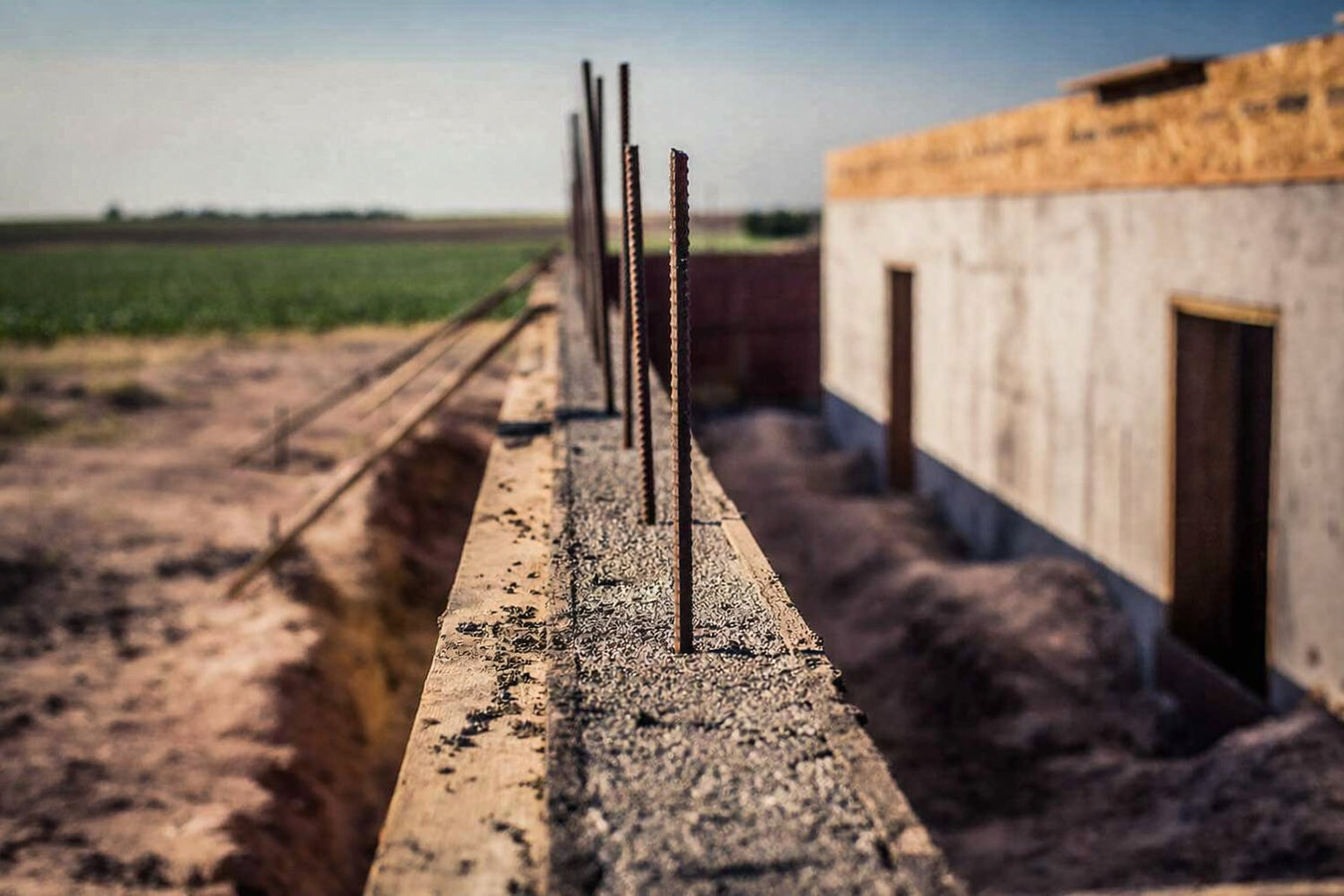
A sunken slab is a fixable problem. We raise foundations in Hemet using mudjacking or foam injection, address the soil conditions causing the drop, and get your concrete back level without tearing up your property.
Foundation raising in Hemet lifts sunken concrete slabs back to level by pumping material under the slab to fill voids and push the concrete up - most residential jobs are completed in a single day, with the slab ready to walk on the same afternoon.
If your garage floor has a corner that dips, your patio tilts toward the house, or a driveway panel has dropped an inch below its neighbor, foundation raising is almost always a faster and less expensive fix than tearing out and replacing the slab. The process - also called mudjacking or slab lifting - has been used for decades and works well when the concrete itself is still structurally sound. In Hemet, the most common cause of settled slabs is the valley's expansive clay soil, which swells and shrinks with the wet and dry seasons and gradually creates voids under the concrete.
If the concrete has cracked into multiple pieces or the underlying soil problem is severe, we will tell you honestly during the assessment whether raising is the right answer or whether a slab foundation replacement makes more sense for your situation.
When a slab drops even a small amount, the door frames above it shift out of square. If a door that used to swing freely now drags on the floor or refuses to latch, the frame may have moved because the concrete below has settled. This is one of the earliest signs that something has changed at foundation level, and it tends to get worse if the underlying soil problem is left unaddressed.
Walk around the outside of your home and look where the concrete meets the house. A gap that was not there before - even a small one - means the slab has moved away from the structure. In Hemet, these gaps often appear after a long dry summer when the clay soil contracts and pulls the ground away from under the concrete. Catching it early usually means a simpler fix.
Stand on your garage floor, patio, or driveway and pay attention to whether it feels level. If one section tilts noticeably or rocks when you walk across it, the slab has likely dropped on one side. This is especially common in Hemet homes built before the 1990s, where the original soil preparation may not have accounted for the valley's expansive clay.
Diagonal cracks radiating from the corners of door frames or windows - especially in drywall or stucco - are a classic sign that the structure above is being pulled out of alignment by a shifting foundation. These tend to be wider at one end and may grow over time. After any felt earthquake near Hemet, check for new cracks of this type along the San Jacinto Fault zone.
We offer both mudjacking and polyurethane foam injection, and we recommend the method that fits your specific slab, soil, and budget - not the one with the higher margin. Mudjacking pumps a cement-and-soil slurry under the slab to fill voids and raise the concrete; it has been used reliably for decades and tends to cost less upfront. Foam injection uses a lightweight expanding material that cures faster - slabs are ready to use in about 15 minutes - and leaves smaller drill holes. For most Hemet homeowners, either method can work well; the choice depends on the size of the void, how accessible the area is, and whether weight on the soil is a concern. We also assess whether drainage improvements or grading corrections are needed alongside the lift, since a raise that does not address the root cause is just a temporary fix. Homeowners who also need a concrete cutting service to remove a damaged panel before or after raising can have both handled by the same crew.
Every job starts with a written estimate that breaks down the cost and the method. We handle the permit discussion at that stage so you know before signing anything whether the City of Hemet requires a permit for your specific project. Homeowners whose slabs are too far gone for raising and need full replacement can get information about our slab foundation building service at the same assessment visit.
Best for homeowners who want a proven, cost-effective lift on larger slabs where weight and cure time are not major factors.
Best for homeowners who need fast turnaround, minimal hole size, and a lightweight material that does not add load to the soil.
For homes where the soil movement causing the settling can be slowed or stopped with drainage improvements alongside the lift.
Hemet sits in the San Jacinto Valley, an area underlain by expansive clay soils that swell when they absorb water and shrink when they dry out. This repeated movement is one of the leading causes of foundation settling in the region - and with Hemet summers regularly hitting 100 degrees or above, the dry season drives sharp soil contraction every year. Many homeowners first notice a dropped slab after a long summer when the clay has contracted to its seasonal minimum: a gap appears at a door threshold, or a patio corner suddenly looks lower than it did in spring. The San Jacinto Fault running close to Hemet adds another variable - even minor seismic activity can shift soil and widen voids that were already forming beneath older slabs.
Homes built in the 1960s through 1980s - a large share of Hemet's housing stock - were often poured directly on native clay soil with minimal compaction or moisture barriers. Those slabs have been working against the valley's soil cycle for decades, and settling in these neighborhoods is common enough that we see it regularly across central Hemet. Homeowners in San Jacinto and Perris deal with the same clay soil conditions and call us for foundation raising work there as well.
When you call, we ask a few quick questions about where the problem is, how long you have noticed it, and whether there are sticking doors or visible cracks. We reply within one business day and can typically schedule an on-site visit within a few days.
A crew member walks the area with you, checks how much the slab has dropped, and looks for signs of the underlying cause. This visit usually takes 30 to 60 minutes, and you will receive a written estimate that breaks out the method, cost, and whether a City of Hemet permit is needed before no obligation to proceed.
Before the crew arrives, clear the slab - move vehicles out of the garage, shift patio furniture, and make sure the team has access to all sides. We will give you a specific list. Plan for noise and dust during the drilling phase, which typically lasts an hour or two.
The crew drills small holes, pumps material underneath until the slab rises back to level, then patches the holes with concrete filler. The whole process for a typical residential job takes two to four hours. Before leaving, we walk the area with you and confirm the slab is level and the holes are patched cleanly.
We will assess the problem, explain what we find, and give you a written estimate - no pressure and no obligation.
(951) 484-2581A lift that does not account for what caused the slab to sink will settle again. We check soil drainage and grading at every assessment and tell you upfront whether a drainage correction is needed alongside the lift - so the results hold through Hemet's dry seasons rather than just getting you through one summer.
The City of Hemet requires permits for structural work, and we handle the application as a standard part of any job that needs one. Permitted work is documented and inspected, which protects you if you ever sell the home. Unpermitted structural repairs are one of the most common issues that surface at home sale inspections in Hemet.
We work regularly across the San Jacinto Valley and understand how Hemet's clay soils behave through the wet and dry seasons. That local knowledge shapes how we assess void depth, recommend lifting methods, and advise on drainage - none of which is covered by a generic quote from a contractor who does not work in this area.
You get a written estimate that breaks out the method, the cost, and what is included - including drill hole patching - before any equipment arrives at your property. The California Contractors State License Board lets any homeowner verify a contractor license in minutes before hiring.
Every one of these points comes back to the same thing: you should know exactly what you are paying for and why before any work starts. That is how we operate on every job in Hemet.
When a raised slab needs a clean edge cut or a damaged panel removed as part of the repair, our concrete cutting service handles the precision work.
Learn moreWhen a foundation is too far gone for raising and needs full replacement, slab foundation building starts the process from the ground up.
Learn moreHemet's dry season is hard on clay soils - locking in your estimate now means the work is done before the ground shrinks again and the problem deepens.